


Pennsylvania State of Sex Ed
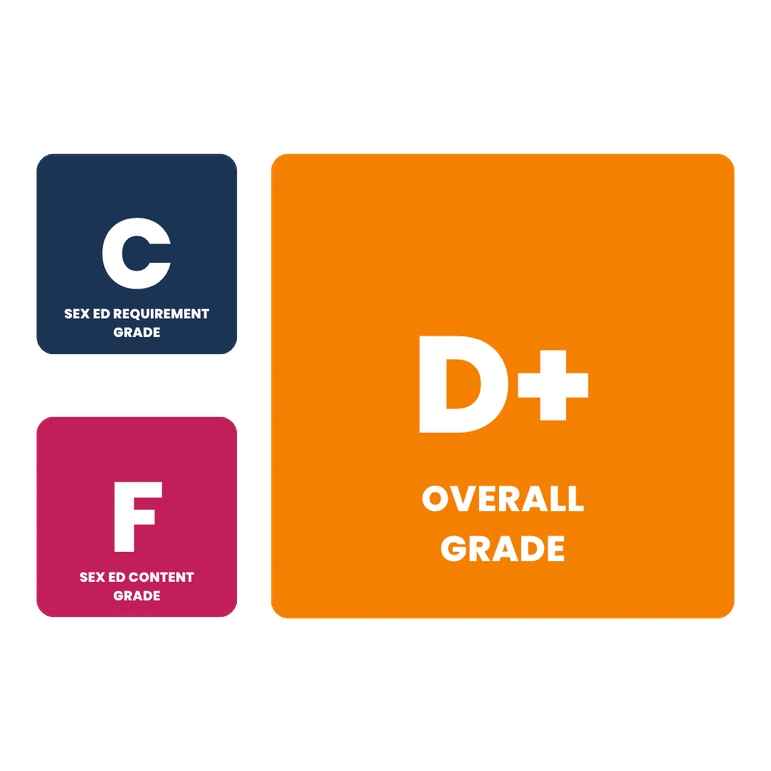
Current Requirement: Sex education is not required, but age-appropriate HIV/STI education is.
- Curriculum must stress abstinence.
- Curriculum is not required to include instruction on sexual orientation or gender identity.
- Pennsylvania has no regulation regarding medically accurate sex education instruction.
- Curriculum is not required to include instruction on consent.
- School districts must publicize the fact that parents and guardians can review all curriculum materials. Parents and guardians whose principles or religious beliefs conflict with instruction may excuse their children from the programs. This is called an “opt-out” policy.
Recent Legislation Shaping the State Landscape
Pennsylvania is one of many states where a Baby Olivia bill was introduced or carried over into this legislative session; it requires including a high-definition fetal development video, generally supplemented by LiveAction’s “Meet Baby Olivia” video, and instruction in human sexuality classrooms. This law, under the guise of human growth and development instruction, will lead to Pennsylvania classrooms receiving anti-abortion misinformation and perpetuate abortion stigma. Because Pennsylvania operates on a two-year legislative session, two bills are currently active: House Bill 606 and Senate Bill 973, which would require all school entities in Pennsylvania to provide instruction on early human life development, including an ultrasound video at least five minutes long. Similar legislation was introduced in 2024 (House Bill 2080) but ultimately failed to pass. Beyond regressive legislation, some positive sex education legislation was introduced, such as House Resolution 466, which would recognize May as Sex Ed for All Month and is still active. In 2024, Senate Bill 293 failed to pass the legislature after being rolled over from 2023. Still, it would have required age-appropriate consent education for all K-12 students, including positive relationship examples inclusive of all genders and sexual orientations.
The 2025-2026 legislative session also included so-called “parental rights” bills that would indirectly and negatively impact sex education. The “Parental Rights in Education Act” (House Bill 581) was introduced and would prohibit instruction on sexuality or gender identity before 5th grade. The bill would also require schools to implement a parental notification procedure for any change in a student’s mental, physical, or emotional well-being. This dangerous legislation continues the trend of weaponizing “parental rights”. It has the potential to forcibly out students who come out as LGBTQIA+ in school, impacting not only their learning environment but also their well-being. Another bill, House Bill 230, would grant parental control over instructional materials and books containing allegedly “sexually explicit content”. It would also require an “opt-in” policy for any classroom instruction regarding “sexually explicit content”, potentially implicating sex education.
Advocates in Action
Advocates can take action in their communities to advocate for comprehensive sex education for all Pennsylvania students. They can contact their local board of education, identify topics missing from existing health curricula, and advocate for including sex education in academic standards.
Advocates can also contact state legislators to support a statewide comprehensive sex education mandate and use the Community Action Toolkit to strengthen local organizing efforts. For additional guidance, advocates can contact the SIECUS Policy team by emailing [email protected] or join the Sexuality Education Policy Action Council (SEPAC) using our interest form.
More on Sex Ed in Pennsylvania…
State Law: A Closer Look
Schools in Pennsylvania are not required to teach sex education. Pennsylvania Constitutional Statutes Title 22 § 4.29, however, require primary, intermediate, middle, and high schools to teach sexually transmitted disease (STD), including human immunodeficiency virus (HIV), education. Primary schools are allowed to omit instruction on the sexual methods of disease transmission. Schools must use materials that the local school district has determined to be age-appropriate, discuss prevention, and stress abstinence as “the only completely reliable means of preventing sexual transmission.” Given that abstinence must be stressed, and nothing further is required to be taught, Pennsylvania is considered one of the states teaching abstinence-only instruction, according to law.
School districts must publicize the fact that parents and guardians can review all curriculum materials. Parents and guardians whose principles or religious beliefs conflict with instruction may excuse their children from the programs. This is called an “opt-out” policy.
State Standards
The state has created the Academic Standards for Health, Safety, and Physical Education, which include STD and HIV prevention education. Local school districts must make all decisions regarding HIV prevention curricula and materials. State standards also state that starting in 9th grade, students must “analyze factors that impact growth and development between adolescence and adulthood,” such as dating and relationships, peer pressure, interpersonal communication, abstinence, and HIV/STIs. School districts do not have to follow a specific curriculum, but they must use these standards as a framework for developing their curricula.
Youth Sexual Health Data
The CDC’s Youth Risk Behavior Survey (YRBS) tracks adolescent health behaviors, including sexual health behaviors. To learn more about Pennsylvania’s 2023 YRBS results, click here. The CDC’s School Health Profiles measure school health policies, practices, and the sexual health topics taught in schools. To view Pennsylvania’s results from the 2024 School Health Profiles Survey, visit CDC’s School Health Profiles Explorer tool. Visit the CDC’s School Health Profiles for additional information on school health policies and practices.
The quality of sex education taught often reflects funding available for sex education programs. To learn more about federal funding streams, click here.