


Nebraska State of Sex Ed
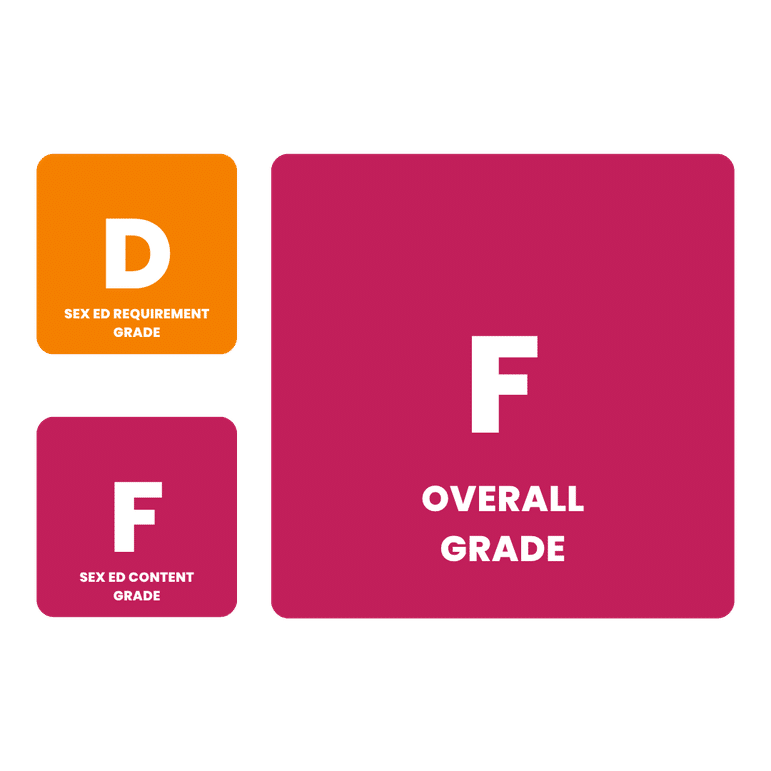
Current Requirement: Sex education is not required, nor is HIV/STI education in Nebraska.
- Nebraska has no regulation regarding medically accurate, age-appropriate, or evidence-based sex education instruction.
- The Nebraska State Board of Education states that abstinence must be stressed if sex education is taught. Schools that neglect to follow this policy can have funding withheld.
- If a school offers sex education, curriculum is not required to include instruction on sexual orientation or gender identity. However, all curriculum must be equitable and not discriminate against students based on their sexual orientation or gender expression.
- If a school offers sex education, curriculum is not required to include instruction on consent.
- Schools must provide age-appropriate dating violence education for all students.
- Nebraska has no standard regarding the ability of parents and guardians to remove their children from sex education instruction.
Recent Legislation Shaping the State Landscape
Advocates in Nebraska have faced efforts to limit access to sex education over the last several years. Legislative Bill 213 was introduced during the 2025 session, carried over to the 2026 session, and would have amended current state standards to require “human embryology,” which would include instruction on fetal development for students in K-12, including the viewing of fetal development or ultrasound videos. Aligned with the larger trend of “Baby Olivia” bills, these videos are modeled after the“Meet Baby Olivia” video developed by Live Action. While unsuccessful, these efforts will only seek to increase misinformation about abortion and perpetuate abortion stigma in a state that is already a restrictive state for abortion access.
Another tactic for restricting sex education is through so-called “parental rights” legislation, which would increase parental oversight within the education system while worsening administrative burden. These bills often include other harmful clauses such as restrictions for LGBTQIA+ students, restrictions on sex education enrollment, or restrictions on access to inclusive instructional and library materials. In 2025, Legislative Bill 428 was enacted into law and requires school districts to give guardians greater access to educational materials, outlines procedures for reviewing and approving these materials, and details how parents can monitor instructional activities or request exemptions for their children from “objectionable” school experiences, potentially restricting access to sex education. Additionally, the legislation requires school districts to notify parents at least thirty days in advance if they administer a non-anonymous survey containing “sensitive information,” such as sexual health information. This impedes critical data collection on young people that supports programming tailored to their needs.
Advocates in Action
Advocates can take action in their communities to address the lack of sex education requirements in Nebraska. They can contact their local board of education and determine what, if any, sex education curricula are being taught.
Advocates can also contact their representatives to discuss the critical need for a statewide sex education mandate and use the Community Action Toolkit to strengthen local organizing efforts. For additional guidance, advocates can contact the SIECUS Policy team by emailing [email protected] or join the Sexuality Education Policy Action Council (SEPAC) using our interest form.
More on Sex Ed in Nebraska…
State Law: A Closer Look
Nebraska Revised Statutes 79-712 does not require sex education, nor does it limit or prescribe what can be taught in such classes or recommend a specific curriculum. Revised Statute 79-2,142 requires that schools “shall incorporate dating violence education that is age-appropriate into the school program.” Instruction must include, but is not limited to, instruction on “defining dating violence, recognizing dating violence warning signs, and identifying characteristics of healthy dating relationships.”
State Standards
In the Nebraska Health Education Frameworks, the Nebraska State Board of Education supports “an abstinence approach to risk behaviors associated with … sexual activity.” It declares that all “state monies shall be dedicated to abstinence programs.” The board also adopted specific abstinence-only guidelines for any school unit involving family life or sex education. The guidelines include teaching that “abstinence from sexual activity outside marriage is the expected standard for all school-age children” and “a mutually faithful monogamous relationship in the context of marriage is the expected standard of human sexual activity.” The guidelines also note that the best way to develop family life or sex education units is for parents, school boards, and teachers to work together with schools, districts, and communities “so all have a voice in the process and content.”
Nebraska state law does not require parental permission for students to participate in sex education or human immunodeficiency virus (HIV)/acquired immunodeficiency syndrome (AIDS) education, nor does it say whether parents or guardians may remove their children from such classes. However, the Board of Education does recommend that school districts “inform parents of intended activities and permit parents to have their children excluded from the activities.”
The Nebraska Department of Education engaged a group of educators (teachers, administrators, ESU staff, and postsecondary representatives) to develop Nebraska Health Education standards and create a K-12 health education framework. The Department released a first draft in March 2021 and a second draft in July 2021. However, the Nebraska Board of Education voted to pause the process indefinitely in September 2021. Currently, the Nebraska Department of Education references the National Health Education Standards on its website.
Youth Sexual Health Data
The CDC’s Youth Risk Behavior Survey (YRBS) tracks adolescent health behaviors, including sexual health behaviors. To learn more about Nebraska’s 2023 YRBS results, click here. The CDC’s School Health Profiles measure school health policies, practices, and the sexual health topics taught in schools. To view Nebraska’s results from the 2024 School Health Profiles Survey, visit CDC’s School Health Profiles Explorer tool. Visit the CDC’s School Health Profiles for additional information on school health policies and practices.
The quality of sex education taught often reflects funding available for sex education programs. To learn more about federal funding streams, click here.