


Arizona State of Sex Ed
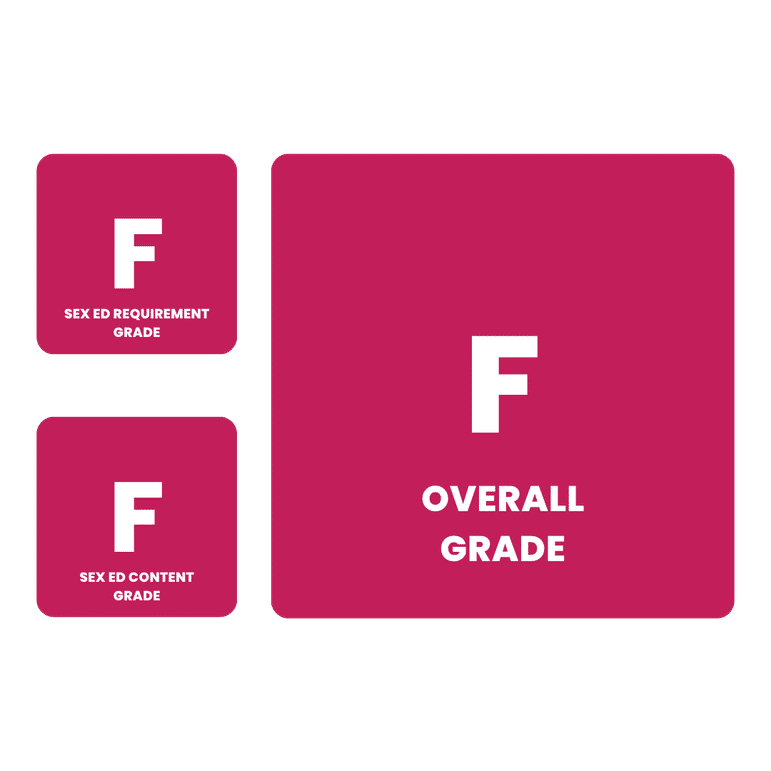
Current Requirement: Arizona students are not required to receive sex education or HIV/STI education.
- If a school chooses to teach sex education, curriculum must emphasize abstinence before marriage and discourage adolescent sexual activity.
- If sex education is provided, it must be age-appropriate; any instruction on HIV/AIDS, specifically, must be medically accurate, and no sex education can be taught before 5th grade.
- Arizona statute prohibits instruction on abortion as a possible pregnancy outcome.
- Arizona statute does not require that sex education include instruction on sexual orientation or gender identity.
- There is no requirement to teach about consent.
- Parents or guardians must provide written permission before their child receives sex education. This is called an “opt-in” policy.
Recent Legislation Shaping the State Landscape
Arizona’s 2026 legislative session convened January 12th, 2026, and adjourned June 13th, 2026. This session, like the last, was a rollercoaster ride for advocates in the state. Despite working tirelessly to defend against regressive anti-sex education, anti-LGBTQIA+, and “parental rights” bills, many unfortunately passed. In 2026, several harmful pieces of legislation successfully passed both chambers. A parents’ bill of rights, House Bill 2249, sought to prohibit school employees from supporting a student’s social transition at school without explicit written parental consent. This meant school staff, including teachers, would be unable to refer to students by a name or nickname other than their legal name or using pronouns that do not align with their biological sex.
Additionally, House Bill 2830 was a return of the 2025 “Baby Olivia” bill, which attempted to require fetal development instruction but with new language explicitly stating that this fetal development instruction “may not be classified as sex education for parental consent or opt-out requirements.” Arizona Lawmakers doubled down on anti-abortion tactics by passing House Bill 2040, which would require adoption to be discussed when sex education is offered or any time STIs or contraception are discussed, as well as mandating discussion of the state’s haven for newborns” law in sex education classes. Thankfully, Arizona’s governor vetoed House Bills 2249, 2830, and 2040, and none had a successful veto override campaign. This marks the second year in a row that Arizona has passed Baby Olivia-type legislation, but it failed to be enacted because it was vetoed.
Advocates in Action
Advocates must remain vigilant and defend against continuous attacks on sex education that seek to require stigmatizing and inappropriate “fetal development” instruction. Given the lack of state policy mandating sex education, Arizona school districts are left to decide what, if any, sex education is taught in schools. Advocates are encouraged to monitor local sex education content for misinformation being taught in schools, engage with local school boards to advocate for medically accurate, trauma-informed, and culturally responsive curricula, and organize community-based comprehensive sex education opportunities outside the classroom.
Advocates can also contact state legislators to support a statewide comprehensive sex education mandate and use the Community Action Toolkit to strengthen local organizing efforts. For additional guidance, advocates can contact the SIECUS Policy team by emailing [email protected] or join the Sexuality Education Policy Action Council (SEPAC) using our interest form.
More on Sex Ed in Arizona…
State Law: A Closer Look
Arizona law does not require schools to teach sex education or HIV education. However, Arizona Revised Statutes §§ 15-711, 15-716, and 15-102 state that if a school chooses to teach these topics, instruction must be age-appropriate, include instruction on the laws relating to sexual conduct with a minor (grades 7-12), and stress abstinence. Further, if a school chooses to teach HIV education, such instruction must be medically accurate. Arizona Revised Statutes 15-115 states that school districts may not provide instruction that does not present childbirth and adoption as preferable options to abortion, stigmatizing the decision to access abortion care.
Arizona Administrative Code R7-2-303 states that schools may “provide a specific elective lesson or lessons concerning sex education as a supplement to the health course of study.” Schools that choose to provide sex education must have the lessons approved by the school’s local governing board. All sex education materials and instruction that discuss sexual intercourse must:
- Stress that pupils should abstain from sexual intercourse until they are mature adults;
- Emphasize that abstinence from sexual intercourse is the only method for avoiding pregnancy that is 100% effective;
- Stress that sexually transmitted diseases (STDs) have severe consequences and constitute a serious and widespread public health problem;
- Include a discussion of the possible emotional and psychological consequences of pre-adolescent and adolescent sexual intercourse and the consequences of pre-adolescent and adolescent pregnancy; and
- Advise pupils of Arizona law about the financial responsibilities of parenting and legal liabilities related to sexual intercourse with a minor.
Following the enactment of House Bill 2035 (2021), Arizona Revised Statutes 15-711 Sec. A prohibits instruction in sex education before fifth grade, and House Bill 2945 (2022), Arizona Revised Statutes 15-120.03 prohibits Arizona public schools from using or referring students to sexually explicit material unless the school acquires parental consent and the material is either “Classical Literature,” “Early American Literature,” or required for a course to obtain college credit. In the bill, the definition of sexually explicit material includes “masturbation, homosexuality, sexual intercourse or physical contact with a person’s clothed or unclothed genitals, pubic area, buttocks or if such person is female, breast.”
In Arizona, parents or guardians must provide written permission for the child to participate in sex education, according to Arizona Revised Statutes 15-711 Sec. B. This is referred to as an “opt-in” policy.
State Standards
Arizona has Health Education Standards that provide a foundation for K-12 curricula. These standards do not specifically mention sexuality-related concepts.
Youth Sexual Health Data
The CDC’s Youth Risk Behavior Survey (YRBS) tracks six categories of health risk behaviors, including sexual health behaviors. In 2023, Arizona’s high school YRBS data was not weighted to represent all students, and the state did not participate in the middle school YRBS data collection. To learn more about Arizona’s 2021 YRBS results, click here. The CDC School Health Profiles identify 22 sexual health education topics as critical for ensuring a young person’s sexual health. To view Arizona’s results from the 2024 School Health Profiles Survey, visit CDC’s School Health Profiles Explorer tool. Visit the CDC’s School Health Profiles for additional information on school health policies and practices.
The quality of sex education taught often reflects funding available for sex education programs. To learn more about federal funding streams, click here.