


Wyoming State of Sex Ed
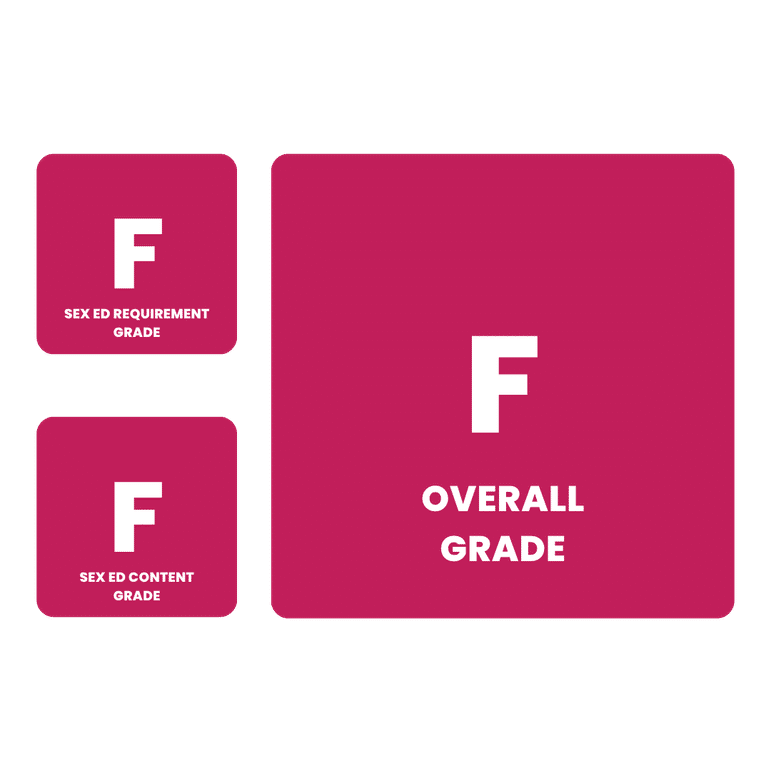
Current Requirement: Wyoming does not require sex education.
- Wyoming has no statute regarding instruction on abstinence.
- Curriculum is not required to include instruction on sexual orientation, gender identity, or consent.
- Wyoming has no standard regarding the ability of parents and guardians to remove their children from sex education instruction.
- Parental permission is required for both optional sexual abuse prevention education and any instruction on gender and sexual orientation.
- Wyoming has no regulation on medically accurate sex education instruction; however, sexual abuse prevention curriculum must be age-appropriate and evidence-based.
Recent Legislation Shaping the State Landscape
Wyoming is one of many states where anti-abortion narratives in sex education through biased “fetal development” instruction, also known as “Baby Olivia” bills, have been introduced. In 2026, the House introduced Bill 186. It would have required “human growth and development” instruction as part of the common core curriculum, to be taught in grades 5-12 and to include viewing a fetal ultrasound video and an animation of fetal development, allowing the medically inaccurate and biased “Meet Baby Olivia” video to infiltrate the classroom. Thankfully, the bill failed in the legislative session, but like in many other hostile states, it is expected to be reintroduced in future sessions.
While no sex education-specific legislation was introduced in 2025, Wyoming lawmakers did get a slew of anti-LGBTQIA+ legislation passed, including a “bathroom ban”, “pronoun ban”, and strictly defining biological sex within law, which impacts data collection within schools as well. These bills, while not necessarily directly impacting sex education, do create hostile school environments for LGBTQIA+ youth and prevent sex education from being inclusive of their identities.
Similarly, in 2024, two so-called parental rights bills (Senate File 9 and House File 92) passed, increasing oversight within the education system. Also, they implemented a dangerous clause that requires parental notification if any changes are noted in their child’s “mental, emotional, and physical well-being”, often prompting educators and school administrators to “out” LGBTQIA+ students to their parents, also known as “forced outing”. This has many negative implications for youth mental health and can create hostile and exclusionary classroom environments for LGBTQIA+ students. Another parental rights bill, House File 190, was introduced and, if enacted, would have restricted instruction on sexual orientation and gender identity, but it ultimately failed to advance in the legislature.
Advocates in Action
Advocates can take action in their communities to address the lack of comprehensive sex education for students across Wyoming. The lack of a statewide statute on sex education means that local control guides sex education implementation in Wyoming. They can contact their local board of education to vocalize the importance of requiring sex education or using a comprehensive, medically accurate, and inclusive approach.
Advocates can also contact state legislators to support a statewide comprehensive sex education mandate and use the Community Action Toolkit to strengthen local organizing efforts. For additional guidance, advocates can contact the SIECUS Policy team by emailing [email protected] or join the Sexuality Education Policy Action Council (SEPAC) using our interest form.
More on Sex Ed in Wyoming…
State Law: A Closer Look
Wyoming statute § 21-9-101 requires each school district within the state to provide education in accordance with uniform standards and rules and regulations promulgated by the state board. On November 14, 2016, under authority granted by Wyoming Statute § 21-2-304, the Wyoming Content and Performance Standards became an effective rule, including the health standards required for graduation. However, the statute does not require a specific sex education curriculum or instruction.
Wyoming statute § 21‑3‑135 requires written or electronic parental permission before any student “participating or receiving instruction in any trainings, courses or classes that address sexual orientation or gender identity.” Additionally, WS § 21‑3‑135 also prohibits a school from withholding changes in a student’s educational, physical, mental, or emotional health or well-being, which could result in the forced outing of LGBTQIA+ students.
Wyoming statute § 21-9-104 also requires parents to provide permission for their child to receive sexual abuse prevention education, should a district choose to implement it. If provided, curriculum must be evidence-based and age-appropriate. It may include instruction on recognizing sexual abuse and assault, personal boundary violations, ways in which a “sexual offender may groom or desensitize a victim,” and strategies relating to disclosure of abuse, reducing self-blame, and mobilizing bystanders.
State Standards
In the Wyoming Health Education Content and Performance Standards, “sexuality” is defined as “the sum of the physical, functional, and psychological attributes that are expressed by one’s gender identity and sexual behavior; [and] includes accurate, factual, and developmentally appropriate information on sexuality, pregnancy prevention, and sexually transmitted infections [STIs] such as human immunodeficiency virus (HIV) infection and acquired immunodeficiency syndrome (AIDS).” References to sex education appear throughout the benchmark standards, but they do not specify a curriculum.
The 2023 Health and Safety Wyoming Content & Performance Standards will replace the above standards by the beginning of the 2026 – 2027 school year, and similarly list Human Sexuality (HSX) as a suggested health topic, but do not mandate instruction.
The state does not recommend a specific curriculum. School districts are encouraged to “organize a health advisory council” composed of educators, administrators, parents, students, medical professionals, representatives from minority groups, and other community members to “develop policies and approve curriculum and other materials for school health education, including K–12 HIV prevention education.” Educators are encouraged to have their students participate in extracurricular HIV/AIDS awareness activities. They are cautioned that “[a] single film, lecture, or school assembly is not sufficient to assure that students develop the complex understanding and skills needed to avoid HIV infection.” In addition, schools should provide counseling and information about HIV-related community services.
Youth Sexual Health Data
The CDC’s Youth Risk Behavior Survey (YRBS) tracks adolescent health behaviors, including sexual health behaviors. As of 2016, Wyoming no longer participates in YRBS data collection. To learn more about Wyoming’s 2015 YRBS results, click here. The CDC’s School Health Profiles measure school health policies, practices, and the sexual health topics taught in schools. However, Wyoming has not participated since 2018 and therefore was excluded from the 2024 School Health Profiles. Visit the CDC’s School Health Profiles for additional information on school health policies and practices. At the state level, Wyoming does not conduct data collection on youth sexual health outcomes.
The quality of sex education taught often reflects funding available for sex education programs. To learn more about federal funding streams, click here.