


Alaska State of Sex Ed
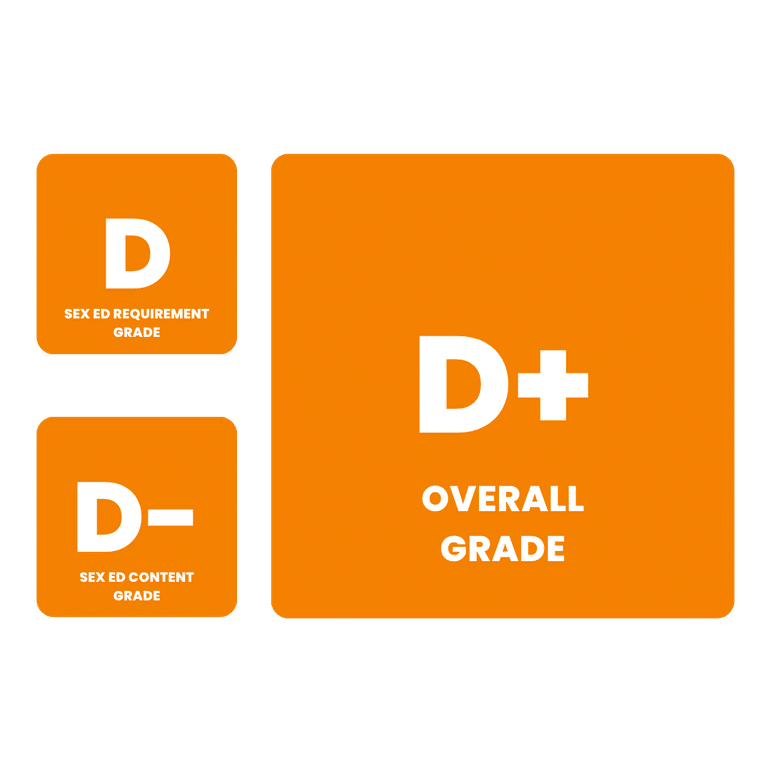
Current Requirement: Sex education is not required, nor is HIV/STI education.
- Some age-appropriate healthy relationships education is required through mandatory health education but does not require consent education.
- If sex ed is taught, it must align with Content and Performance Standards for Alaska Students, which stipulates that students “understand the physical and behavioral characteristics of human sexual development and maturity.”
- Alaska has no standard regarding abstinence instruction in sex education.
- The curriculum is not required to include instruction on sexual orientation or gender identity; however, the standards suggest students should understand major developments related to class, ethnicity, race, and gender.
- Sex education curriculum must be available for parents or guardians to review, and they may remove their children from any activity, class, or program. Parents or guardians may submit a written request to remove their children from instruction on teen dating violence and abuse. This is called an “opt-out” policy.
Recent Legislation Shaping the State Landscape
Advocates regularly face uphill battles in advancing sex education in Alaska, routinely working to advance mandated sex education that is age-appropriate and medically accurate. Since 2022, Senator Elvi Gray-Jackson has introduced legislation to expand sexual health education for Alaskan students. Although unsuccessful thus far, this legislation continues to be reintroduced, most recently as Senate Bill 101 (2025/2026).
During the 2026 legislative session, Senator Elvi Gray-Jackson also introduced Senate Bill 41, which sought to mandate mental health education in public schools and require the Department of Education to develop instructional guidelines. Given that Alaska has one of the highest youth suicide rates in the nation, SB 41 successfully passed with sweeping bipartisan support. This legislation would have ensured students received age-appropriate mental health education, including tools to recognize signs of distress in themselves and others, reduce stigma, and know how to ask for help. Unfortunately, in June 2026, Governor Dunleavy vetoed it, and override efforts fell short of the two-thirds majority required.
Since Alaska schools are not currently required to provide sex education, school districts are left to decide what type of sex education–if any at all–they provide to youth. Local control over sex education presents unique challenges that have resulted in a glaring disparity regarding the quality of sex education that students receive. Such discretion allows for the implementation of policies and curriculum that stigmatize marginalized youth, such as students of color and LGBTQIA+ youth, and presents further challenges in ensuring that low-income districts have access to the resources needed to implement sex education.
Advocates in Action
Following the failure of SB 101 and the veto of SB 41, advocates can continue to educate state officials on the severity of youth mental and sexual health disparities in their communities and the need for mandated, medically accurate, and age-appropriate health education. Additionally, advocates can urge the Alaska Department of Education and State Board of Education to revise the 2016 Content and Performance Standards to include clear expectations for comprehensive sexual health education. Given that state statute encourages school systems to have a K-12 health education program, advocates can push for age-appropriate, comprehensive sexual health education- which includes mental health education- at the local level to ensure schools are truly meeting the needs of young Alaskans and preparing them for the future.
Advocates can also contact state legislators to support a statewide comprehensive sex education mandate, similar to past legislative efforts, and use the Community Action Toolkit to strengthen local organizing efforts. For additional guidance, advocates can connect with the SIECUS Policy team by emailing [email protected] or consider joining the Sexuality Education Policy Action Council (SEPAC) using our interest form.
More on Sex Ed in Alaska…
State Law: A Closer Look
Alaska does not have a statute that requires sexuality or STI education. However, AS 14.30.360 states that “each district in the state public school system shall be encouraged to initiate and conduct a program in health education for kindergarten through grade 12” and “should include instruction in physical health and personal safety including … the identification and prevention of child abuse, … sexual abuse, and domestic violence, and appropriate use of health services.” Alaska state law does not specify any parental permission for students to participate in sex education or education of HIV/AIDS.
Since 2016, AS 14.30.361 has required that “a person may only teach a class or program in sex education, human reproduction education, or human sexuality education if the person possesses a valid teacher certificate … and is employed under contract with the school or is supervised [by such person].” Additionally, “before curriculum, literature, or materials related to sex education, human reproduction education, or human sexuality education may be used in a class or program or distributed in a school, the school board must approve the curriculum, literature, or material and [be] available for parents to review.”
AS.14.30.355 requires each school district to establish a training program for employees and students, and provide parent notices related to sexual abuse and sexual assault awareness and prevention for students enrolled in grades K-12. Similarly, AS. 14.30.356 requires each school district to develop and approve a program relating to teen dating violence and abuse awareness and prevention for grades 7-12. This program must:
- Include training for employees and students;
- Provide parent notices; and
- Be reviewed by a qualified individual or committee for consistency with generally accepted standards for a teen dating violence and abuse awareness and prevention program.
- The training, notices, and instruction adopted must include:
- Age-appropriate information;
- The warning signs of dating violence and abusive behavior;
- Characteristics of healthy relationships;
- Measures to prevent and stop dating violence and abuse;
- Community resources available to victims of dating violence and abuse; and
- A procedure allowing a student to be excused from participating in training at the written request of a parent or guardian. This is referred to as an “opt-out” policy.
State Standards
Alaska provides curriculum standards for schools to follow if they choose to provide sex education. The “Skills for a Healthy Life” section of the Content and Performance Standards for Alaska Students, provided by the Department of Education and Early Development, recommends that students should “understand the physical and behavioral characteristics of human sexual development and maturity…develop an awareness of how personal life roles are affected by and contribute to the well-being of families, communities, and cultures… understand how respect for the rights of self and others contributes to relationships…” and take responsible actions to create safe and healthy environments.”
Youth Sexual Health Data
The CDC’s Youth Risk Behavior Survey (YRBS) tracks adolescent health behaviors, including sexual health behaviors. To learn more about Alaska’s 2023 YRBS results, click here. The CDC’s School Health Profiles measure school health policies, practices, and the sexual health topics taught in schools. To view Alaska’s results from the 2024 School Health Profiles Survey, visit CDC’s School Health Profiles Explorer tool. Visit the CDC’s School Health Profiles for additional information on school health policies and practices.
The quality of sex education taught often reflects funding available for sex education programs. To learn more about federal funding streams, click here.